Serverless
Tl;DR
Just go serverless.
But before that, understand: serverless it does not mean that there is not a server, it means that you dont care about it.
+++ Using Logto JS SDK with CF Workers (?)
+++ You can even get web analytics to work on Cloudflare Workers
Intro
Serverless is one of the IT Concepts that deserves a separated chapter here.
Your WebApps, with Serverless Authentication and AI on the backend
Just recently, I wrote about Firebase Auth and the LogTo JS SDK.
I was suspecting all this was possible as per the serverless-invoices setup…
The SSG (astro payroll) with pocketbase setup to register and signin…confirmed it.
Now, tell me that the CF Pages + CF Workers + CF R2 setup was not impressive…
What Im looking to put together now:
A serverless way to authenticate your users: then allow them to do certain actions.
Auth withtin SSGs
We saw on this post how to deploy a purely static site into CF Pages: https://github.com/JAlcocerT/payroll-workers-pb?tab=readme-ov-file
That is having a connection to a PB user collection: https://fast-payroll-theme.pages.dev/signup/
Pocketbase has handling perpectly those signins/ups and the
https://fast-payroll-theme.pages.dev/secretwas protected
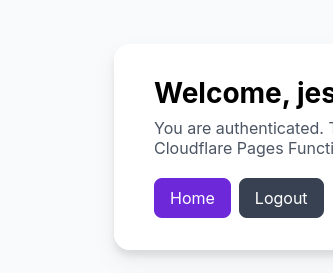
We saw the a cool message
You are authenticated. This is a protected page served by a Cloudflare Pages Function.
If you would go to incognito - you were asked to login again :)
LogtoJS SDK or Firebase x Astro

With Firebase Auth
For phones and with FastAPI, I did not manage to get fb auth social sign in/up working:
- https://jalcocert.github.io/JAlcocerT/firebase-auth-101/
- https://jalcocert.github.io/JAlcocerT/stonks/
Cloudflare
CF can do more fore you than helping you with selfhosting and https:
See, CF workers and pages us cases are so cool: https://github.com/4ev-link/4ev.link
If you want short custom urls, like url shortening to a custom slug
No servers to maintain, no cron jobs, no expiration dates.
Same, we can also have monitor running in gihub https://github.com/upptime/upptime
⬆️ GitHub Actions uptime monitor & status page by @AnandChowdhary
You could also try with uptime kuma or kener
Cloudflare Workers and Pages
CF Pages is one of my favourite ways to deploy SSGs Websites.
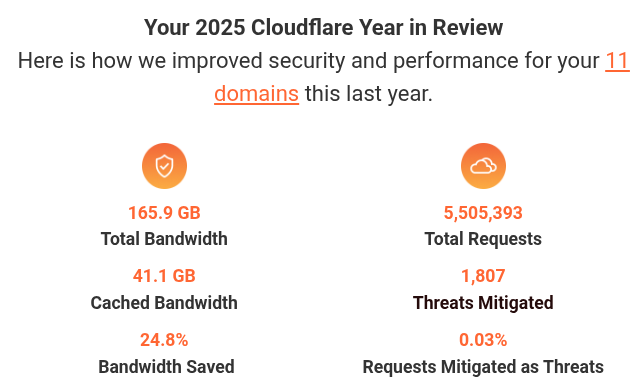
Similar to the Google Cloud Run, CFWorkers handle the compute part.
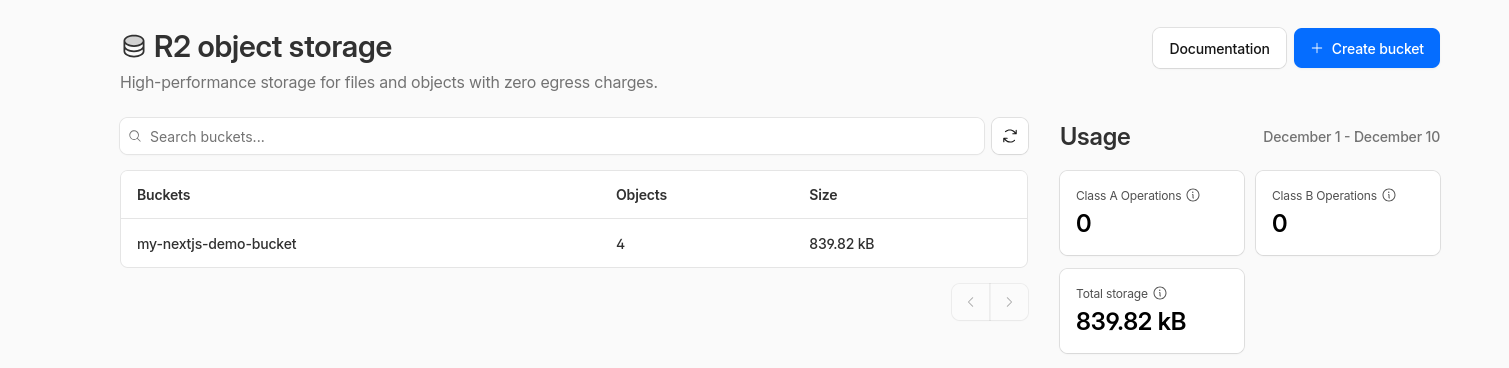
Cloudflare R2
Looking for a storage solution for your serverless apps?
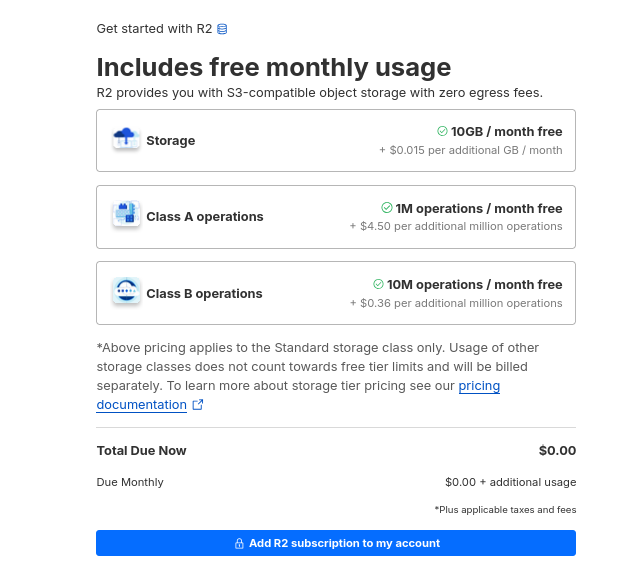
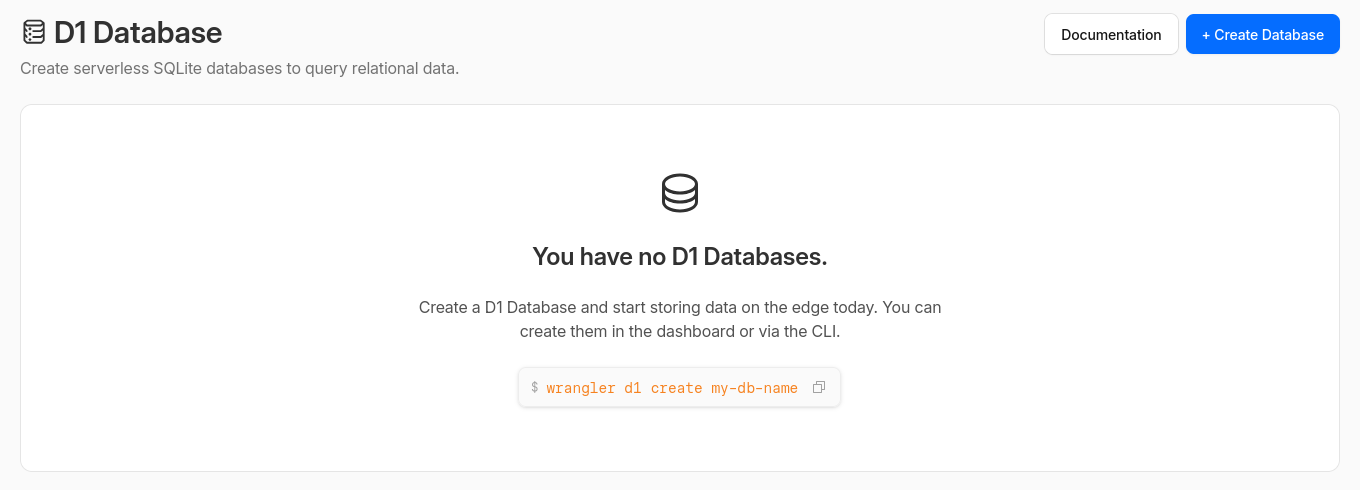
For s3 compatible storage you have this R2, but for a serverless db you have cloudflare D1 or NeonDB
D1 is Cloudflare’s managed, serverless database with SQLite’s SQL semantics, built-in disaster recovery, and Worker and HTTP API access.
Cloudflare D1
Neon DB
DIY Serverless
If you do care about servers and SelfHosting, you can use a serverless framework like Serverless Framework.
Its even possible to build within OSS FaaS with tools like OpenFunction.
FAQ
Firebase Auth x SSG x CF Workers
You can combine Firebase Authentication with an Astro static site deployed to Cloudflare Pages to protect certain pages.
However, because Astro in “static” mode builds a purely static site, you cannot use server-side authentication directly on the pages themselves.
The recommended solution for this is to use Cloudflare Workers (or more specifically, Pages Functions) to handle the server-side validation.
How It Works
This setup requires a mix of client-side and server-side logic:
Client-Side Authentication: On the front end, your Astro site’s client-side JavaScript uses the Firebase client SDK to handle the user sign-in and sign-up process. When a user successfully signs in, the Firebase client SDK provides an ID token. This token is a JSON Web Token (JWT) that proves the user’s identity.
Protecting Static Pages: The “protection” of a static page is not done at the server level by Cloudflare. Instead, you need to use client-side routing.
- For a protected page, you check for the presence of a valid ID token.
- If a token is found, you show the page content.
- If no token is found, or if the token is invalid, you redirect the user to a sign-in page.
This is a common approach for static sites, but it’s important to understand that the content is still publicly accessible in the site’s source code; it’s just hidden from unauthorized users via JavaScript.
Server-Side Validation with Cloudflare Workers (Pages Functions): For true server-side protection where you need to restrict API calls or dynamic content, you would use Cloudflare Pages Functions. When a client makes a request to a serverless function, it sends the user’s ID token in the request header.
- The Pages Function uses the Firebase Admin SDK to verify the ID token.
- If the token is valid, the function can proceed with its logic and return the requested data.
- If the token is invalid or missing, the function can return an unauthorized (401) or forbidden (403) status code, completely denying access to the content.
The Need for Cloudflare Workers
Yes, you would need Cloudflare Workers (or Pages Functions) for any server-side validation or for truly protecting sensitive data.
Static sites cannot perform server-side checks. An Astro static site is a collection of HTML, CSS, and JavaScript files. It has no server-side process to verify a user’s token or to handle authentication logic.
Firebase Admin SDK requires a server environment. The powerful Firebase Admin SDK, which is necessary to verify the authenticity of ID tokens and manage users, can only run in a trusted environment, such as a Cloudflare Worker, a Node.js server, or a Python backend.
It cannot be used in a web browser, aka CSR.
In summary, for a static site on Cloudflare Pages, Firebase Auth handles the user-facing login flow, while Cloudflare Workers serve as the secure back-end to validate user sessions and provide access to protected data or APIs.
Why It’s a Security Risk
You can’t run the Firebase Admin SDK in a web browser because it’s a huge security risk that would allow a malicious user to tamper with your entire backend.
The Firebase Admin SDK is designed for trusted server environments because it uses a service account key.
This key is not tied to a specific user and has “super-admin” privileges.
It can bypass all of your database security rules, create new users, delete data, and perform any administrative action on your entire project.
If you were to include this key in your client-side code (which is what runs in the user’s browser), any user could:
- Inspect your website’s source code.
- Find the service account key.
- Use that key to run their own malicious scripts to access or destroy all of your data.
This is why the Admin SDK is only meant to be used on your own servers, like a Cloudflare Worker, a Google Cloud Function, or a Node.js backend.
In these environments, the service account key is never exposed to the public.
Web Analytics x Cloudflare Workers
Just in case your home electricity goes away more often than not.
Instead of using selfhostable web analytics like Umami, you can try…