Tools for Entrepreneurs
Boostrapping is not straight forward.
It’s a journey of doing more, better, newer - all of the time surounded with unknowns.
flowchart LR
    %% Styles
    classDef state fill:#E3F2FD,stroke:#1565C0,stroke-width:2px,color:#0D47A1;
    classDef start fill:#43A047,stroke:#1B5E20,stroke-width:2px,color:white;

    %% Nodes
    Start((Start)):::start --> More
    More(Doing MORE):::state
    Better(Doing BETTER):::state
    Newer(Doing NEWER):::state

    %% Internal Feedback Loops (The Grind)
    More -- "Scale Up" --> More
    Better -- "Refine" --> Better
    Newer -- "Test" --> Newer

    %% The Progression Journey
    More -- "Capacity Hit" --> Better
    Better -- "Optimized" --> Newer

    %% The Upward Spiral
    Newer -- "New Baseline" --> More
For anyone who has cycled 100km+, you know that half of the way are the last 10km of the journey.
But these are some tools that make getting returns from what you build more likely:
- Automation:
- Bots:
- Marketing:
- Product and Offers!
Product
You can also get help from some product tools
A SaaS be like:
Formbricks
It’s all about this fantastic Service: https://app.formbricks.com/auth/login
Cool Things with FormBricks 📌
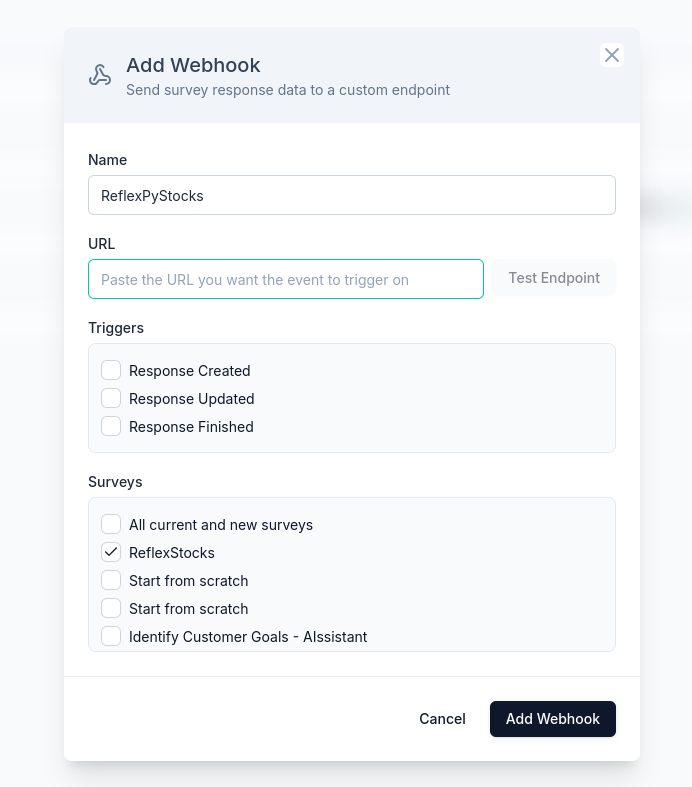
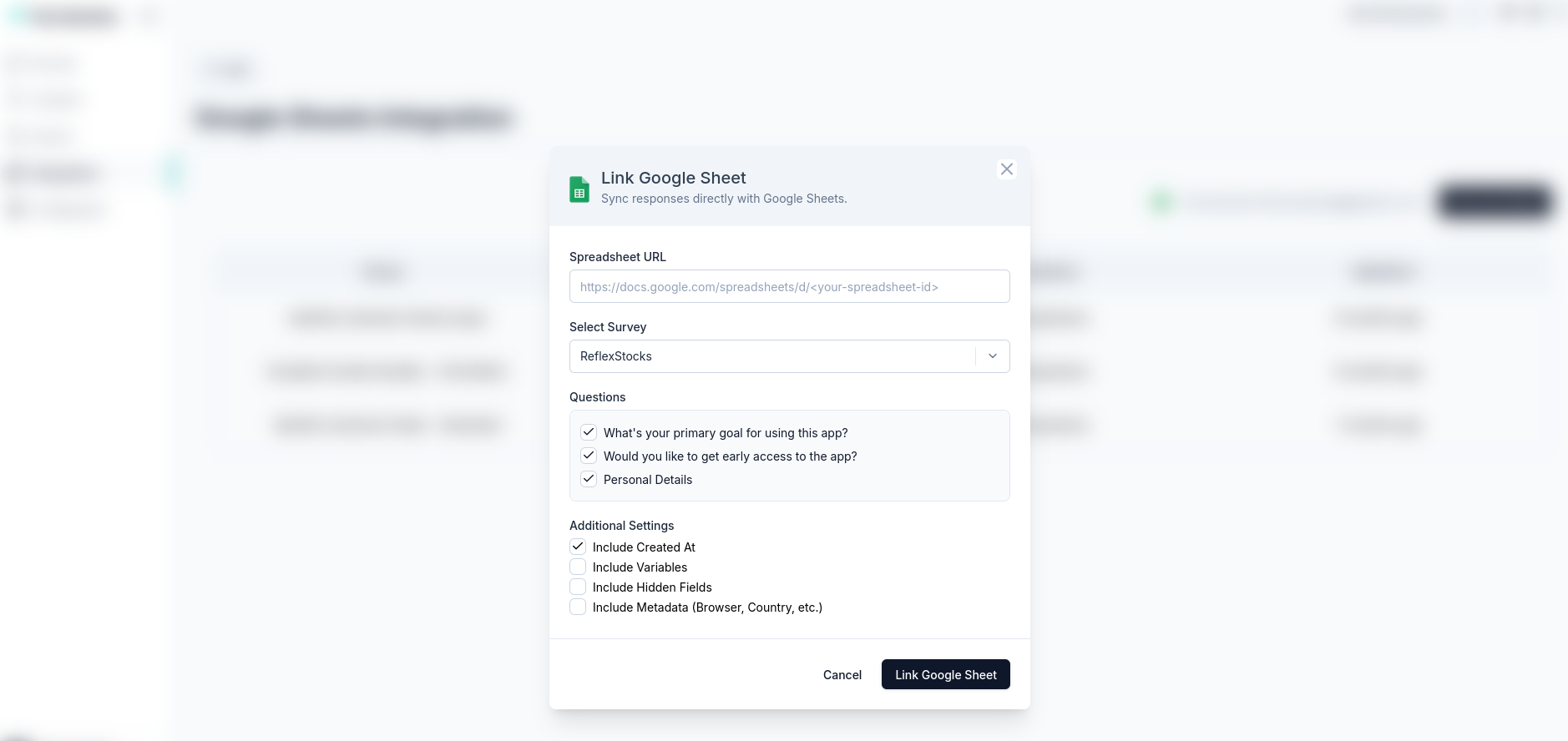
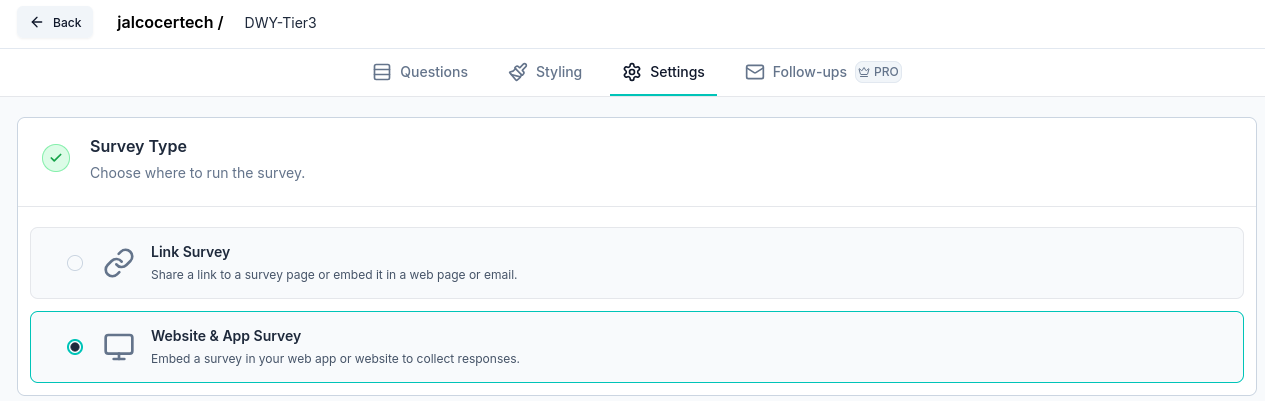

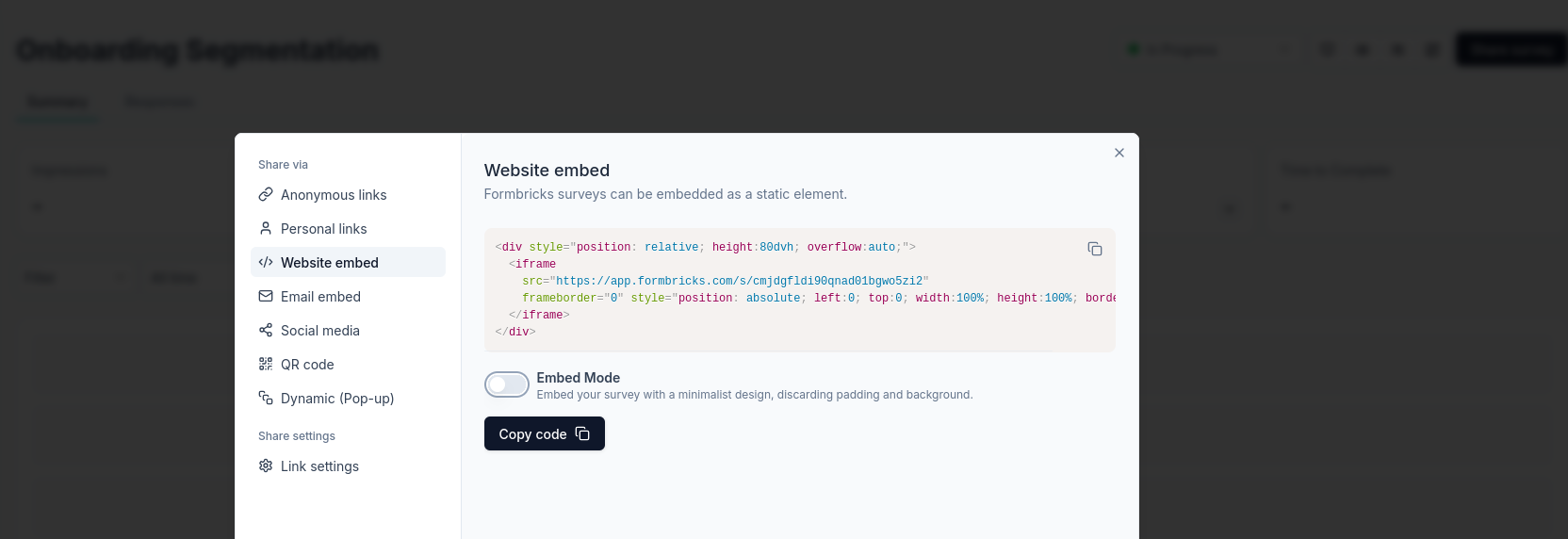
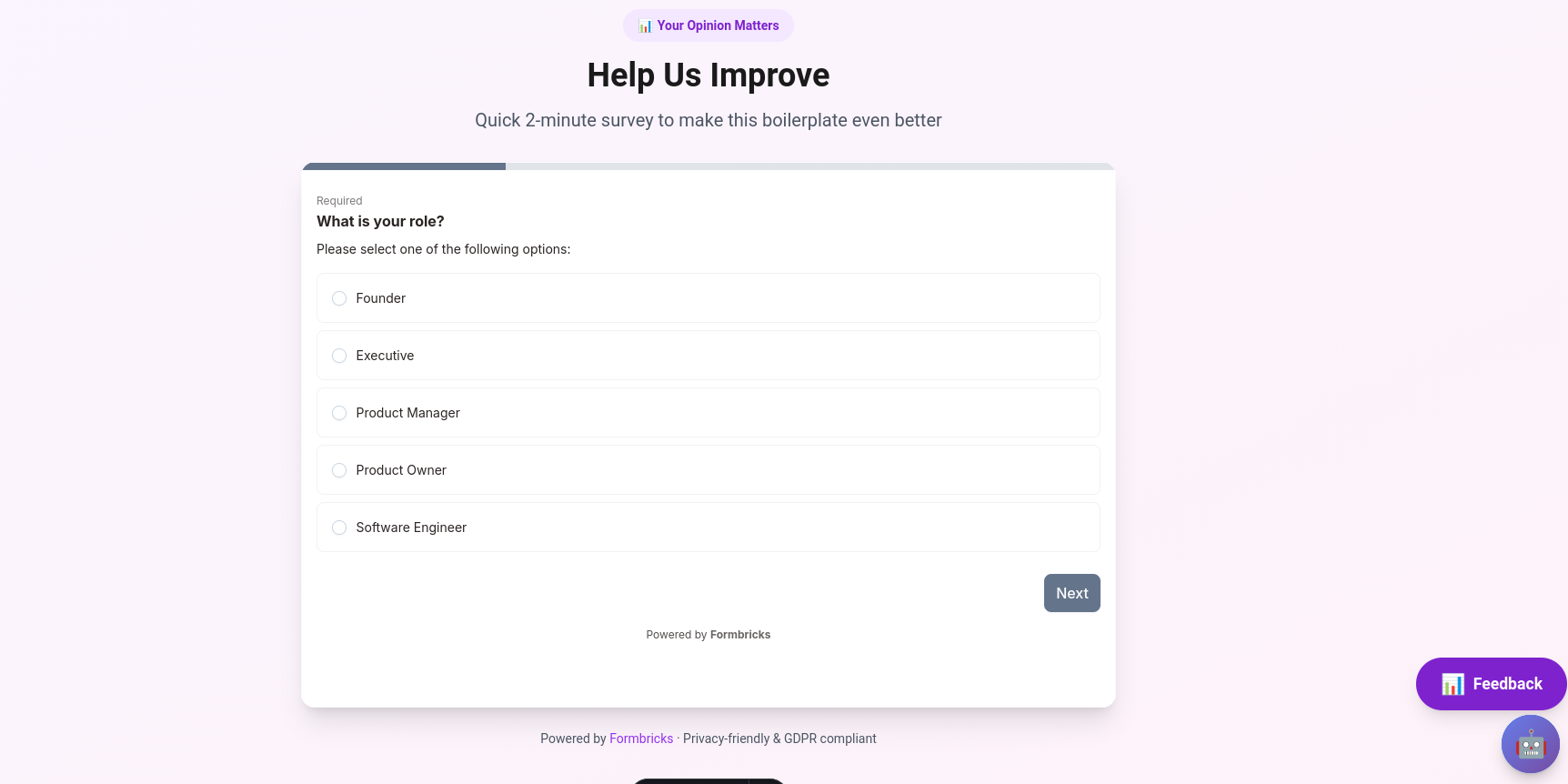
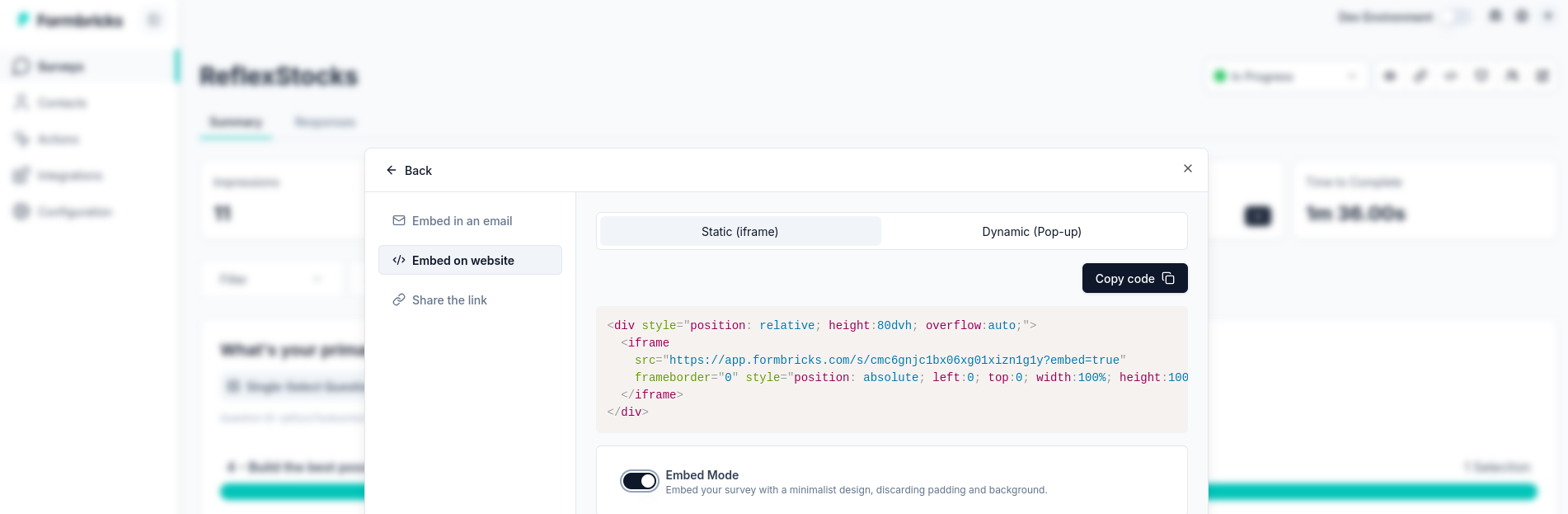
Formbricks can be integrated into your websites, same as cal:
Formbricks wont validate the emails, but you can even verify emails before they flow into your sales pipelines.
Designing proper forms is key to get the right data from your leads.
TIPs to create better forms 🚀
The good thing about designing your landing pages so that the full content is available in just one markdown/json file, is that is very easy to create forms or get feedback on them via agents.
See couple examples projects Ive built that are using formbricks
PostHog
Posthog is one of the product tools you can use surveys.
Also to bring session recording for your apps.
Thats a killer feature to bring to your PoCs, specially when you have a low marketing budget and are very interested to see how leads go through your funnel.
You can see how users behave and validate your assumptions on your value equation:
Also see how the offer and pricing make users flow through your full stack funnel:
PVGMOMF*T=Net_Profit
Offers
With a clear product defined, the package of that into an compeling offer is key.
Info is…free.
Implementation is not: justa matter of the value ladder, a trade-off between time/money invested
And building a proper offer is not all about Pricing.
flowchart LR
    %% --- Styles ---
    classDef free fill:#E8F5E9,stroke:#2E7D32,stroke-width:2px,color:#1B5E20;
    classDef low fill:#FFF9C4,stroke:#FBC02D,stroke-width:2px,color:#F57F17;
    classDef mid fill:#FFE0B2,stroke:#F57C00,stroke-width:2px,color:#E65100;
    classDef high fill:#FFCDD2,stroke:#C62828,stroke-width:2px,color:#B71C1C;

    %% --- Nodes ---
    L1("Free Content
(Blog/YT $0)"):::free
    L2("DIY
(Templates / Platform) $"):::low
    L3("Done With You
(Consulting) $$"):::mid
    L4("Done For You
(Services) $$$"):::high

    %% --- Connections ---
    L1 --> L2
    L2 --> L3
    L3 --> L4
Your Agency Pricing Model can be tricky.
graph TD
    A[Time vs Money] --> B(blog/YT 0$);
    A --> C(DIY 0/$);
    A --> D(Consult via Cal.com - DWY $$);
    A --> E(Services - DFY $$$);
Most people will NOT buy from you.
But they will judge you by the quality of your free give aways.
Like FREE content, templates, audits…
Then…How to sell?
Aka, convince that you can solve problems
You need to gain authority and show enough parts of your Trikini: attraction, conversion, delivery.
It’s all about how valuable your clients perceive their time is compared to how good your offer is to solve their problems.
You can frame this in a trol yet simple CSR bar to help them decide: how much is their time worth to them?
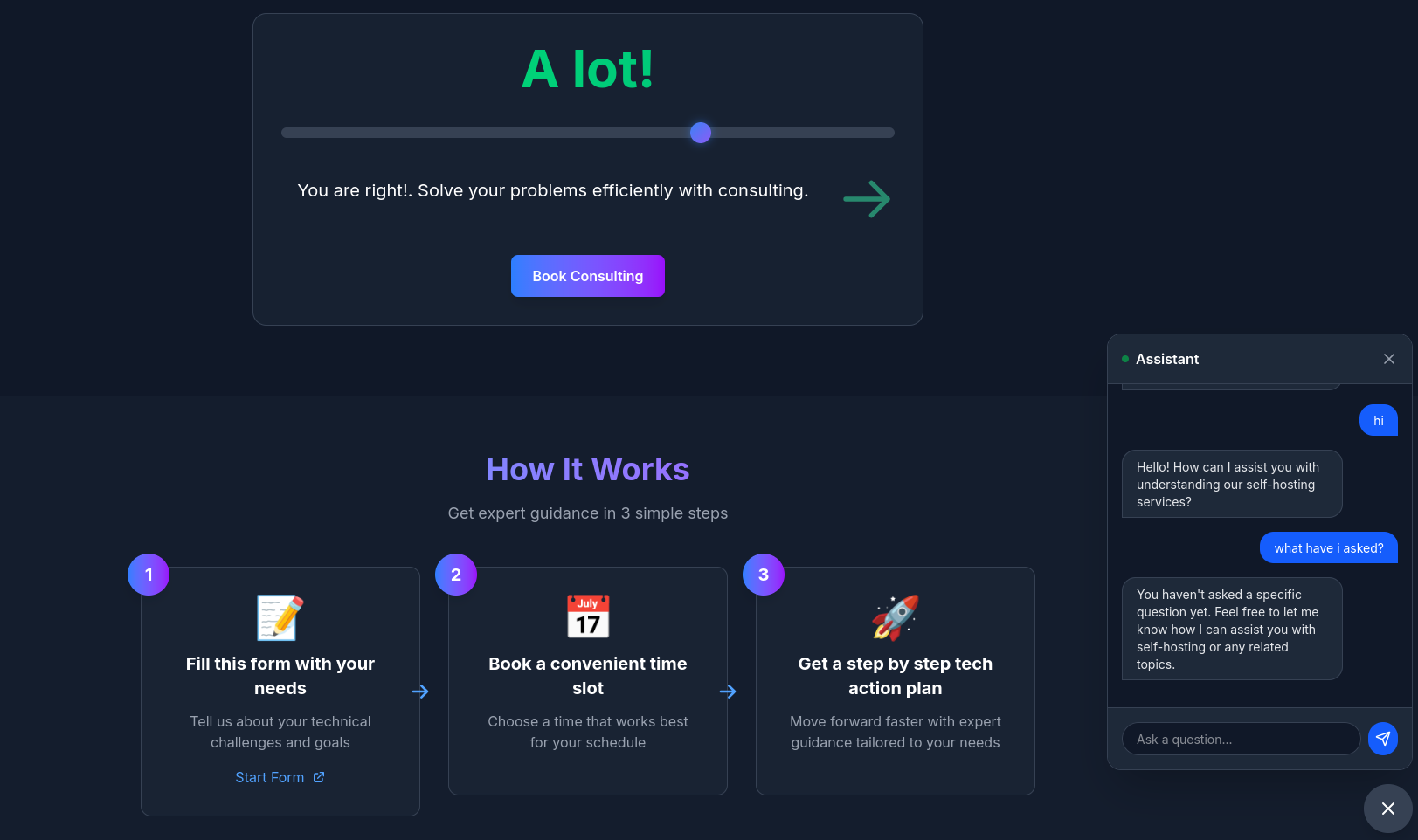
Mind the increased Chances of people who never helped others for free calling you evil :)
Also, some people will get problems understanding that this is a self-valuation of THEIR time.
Not me putting a price to their time, neither me valueing their time.
Additionally, people will just buy (VOLUNTARELY) if they perceive that by buying I can provide much more value than that.
Anyways, people that dont pass that (simple - do I have very high expectations? ) bar will not buy anything from you.
Aka, they dont qualify to get to be one of your clients 🔴
The world keeps spinning as it was - everyone is happy.
If you are a big trol or just want to make a small social experiment - you can add a Form free option to name the last time that xyz user have helped someone for free and the outcome of that so that they are considered for a 100% free consultation.
PS for those readers who feel entitled to sth - life owes you nothing, get over it
You can direct them to your DIY FREE tier in the meantime to get inspired:
 DIY Website eBook
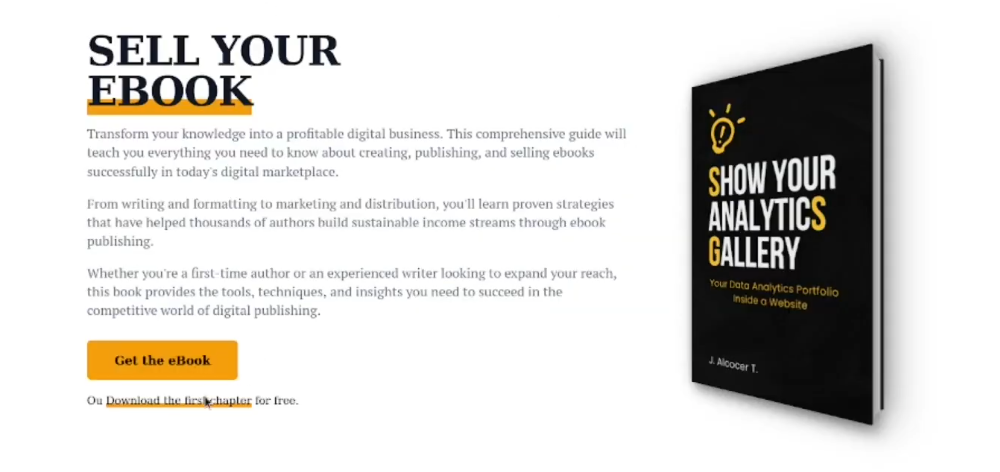 One Website Now eBooks
Aaaand enough loosing time.
Important parts of every offer that you want to consider:
- Pricing
- Value, Risk and Experience
key parts of a successful SaaS offer | Beyond the subscription price 🚀
When creating a SaaS offer for users, the price is just one component.
The most important elements revolve around Value, Risk, and Experience.
🚀 The Value Proposition (What They Get)
This is the core of the offer. It’s not the features; it’s the outcomes the features deliver.
- The Problem/Solution Fit (Core Value):
- What specific, tangible problem does your SaaS solve? The offer must clearly articulate the pain point (e.g., “lost time on manual reporting”) and the immediate, powerful solution (e.g., “automate all weekly reports in 5 minutes”).
- The Value is often measured in: Time Saved, Money Saved/Earned, or Risk Reduced.
- Feature Packaging:
- This is how the product is broken down across different tiers (Starter, Pro, Enterprise). It ensures the user feels they are only paying for what they need.
- The Value Metric: The key item you charge for. It must align with the customer’s success. Is it per User (for collaboration tools), per Usage (for APIs/data), or per Feature Set (for different functionality)?
- Scalability & Integrations:
- The promise that the software will grow with the user’s business. Users need to know it won’t crash when they double their traffic or their team.
- Clear documentation of API access and seamless integrations with the other tools they already use (CRM, payment processors, etc.).
🛡️ Risk Reversal (Why They Should Trust You)
In SaaS, switching costs are high, so reducing the perceived risk of starting is essential.
- Free Trial / Freemium Model:
- Free Trial: A time-bound offer (e.g., 14 days) with access to a full or nearly-full feature set. The offer needs to clearly state what happens after the trial expires.
- Freemium: A permanent free tier with restricted features. The offer is based on a clear “upgrade path” (the value is limited by user count, usage, or core features).
- Guarantees & Money-Back Policy:
- Offering a 30-day money-back guarantee, no questions asked, is a powerful risk reversal strategy, especially for annual commitments.
- Security and Compliance:
- Transparency about how their data is secured (encryption, multi-factor authentication) and compliance with industry standards (GDPR, HIPAA, etc.). This builds trust, especially in B2B SaaS.
- Cancellation Terms:
- Clarity on how easy it is to cancel the subscription and whether any unused portion of a prepaid term will be refunded.
🤝 Experience and Support (How They Will Be Treated)
A great product can fail with poor support. This often differentiates a good offer from a great one.
- Onboarding & Time-to-Value (TTV):
- What resources are included to ensure a user is successful immediately?
- This includes: Live personalized onboarding sessions, detailed knowledge base/tutorials, and in-app guidance (walkthroughs).
- Customer Support Level:
- The SLA (Service Level Agreement): The promised response time (e.g., 1-hour response for critical issues).
- Access Channels: Is it email, chat, phone support, or a dedicated Customer Success Manager (CSM)? This is a key differentiator across pricing tiers.
- Social Proof and Testimonials:
- The offer gains credibility by including case studies demonstrating quantifiable results or customer logos from well-known brands.
In short, a powerful SaaS offer is about maximizing Perceived Value and minimizing Perceived Risk for the customer.
Would you like to explore which of these elements would be most effective for your specific target user (e.g., B2B vs. B2C, small business vs. enterprise)?
Its very important to present the right offer to the right person (budget, authority etc in place)
The best elements of a SaaS offer change dramatically depending on the customer segment because their buying motivation, budget, and risk tolerance are completely different.
| Category | B2C (Consumer) | Small Business (SMB) | B2B (Enterprise) |
|---|---|---|---|
| Primary Motivation | Convenience, Entertainment, Personal Productivity (Emotional, Impulse) | Cost-Efficiency, Immediate ROI, Time Saving (Pragmatic, Budget-Conscious) | Risk Reduction, Security, Scalability, Deep Integration (Rational, Committee-Driven) |
| Best Pricing Model | Freemium or Low-Cost Tiered (e.g., Basic, Premium, Family). | Per-User/Seat (predictable cost) or Feature-Based Tiered (Good/Better/Best). | Usage-Based Hybrid (Base fee + Pay-as-you-go) or Custom/Negotiated Contracts. |
| Key Value Metric | Feature Unlocks, Ad Removal, Storage Limit. | Number of Users, Automation Limits, Basic Reporting. | API Calls, Data Volume, Transaction Value, Number of Teams/Departments. |
| Risk Reversal | Quick, Frictionless Cancellation. Money-Back Guarantee (short-term). | No-Credit-Card Free Trial. Annual Discount (incentive to commit). | Service Level Agreements (SLAs) guaranteeing uptime. SOC 2/ISO Certification. |
| Support Model | Self-Serve: Extensive Help Docs, Community Forums, Chatbots. | Reactive: Email/Chat Support with a guaranteed Response Time. | Proactive: Dedicated Customer Success Manager (CSM), 24/7 Phone Support, shared Slack channels. |
| Sales Motion | Product-Led Growth (PLG): Self-sign-up and conversion. | Hybrid: Self-serve up to a price point, then a light touch from Sales. | Sales-Led: Demos, custom quotes, long negotiation cycle involving legal/procurement. |
High-Level SaaS Offer per Customer Segmentation | B2C SMB B2B 📌
- B2C (Business-to-Consumer)
The B2C offer is designed for speed and simplicity. The purchase is often an individual decision, driven by an immediate need or emotional impulse.
- Best Offer Element: A highly generous and easy-to-use Freemium tier. The core function must be available for free to maximize sign-ups and demonstrate value, with the paid tier unlocking a significant feature or removing a major friction point (like ads or limits).
- Key Focus: Zero friction in sign-up, payment, and cancellation.
- Small Business (SMB)
SMBs are looking for maximum return on minimal investment. They are extremely budget-conscious and need to see the value immediately.
- Best Offer Element: A clear, “Good/Better/Best” tiered structure with the pricing tied to user count. The “Better” (middle) plan should be highlighted as the ideal choice, packaging essential features like collaboration and integration.
- Key Focus: Predictable pricing and a guarantee of time saved or revenue generated.
- B2B (Enterprise)
Enterprises buy to solve mission-critical problems at scale, where failure can cost millions. Their buying decision involves multiple stakeholders (IT, Finance, Legal, Users).
- Best Offer Element: Robust Security/Compliance Guarantees and a Dedicated Support Model. The contract is often more important than the price sheet. They need a Service Level Agreement (SLA) that guarantees uptime, data privacy, and a fast resolution to any issue.
- Key Focus: Risk mitigation, customization (SSO, granular permissions), and a long-term relationship (CSM).
That’s absolutely correct. The previous breakdown was a segmentation of the SaaS offer based on customer segmentation.
You are essentially segmenting your pricing, features, support, and sales motion to align with the unique needs and budgets of different customer groups.
🤝 Customer Segmentation Terminology
The distinction you’re referring to—B2C, SMB, and B2B/Enterprise—is primarily categorized by the Target Customer Type and the Size/Scale of the business.
Here’s how those distinctions are typically referred to:
- By Business Relationship: B2C vs. B2B
The foundational distinction is based on who the end buyer is:
B2C (Business-to-Consumer): Your company sells directly to an individual consumer for personal use.
- Examples: Netflix, Spotify, Grammarly (individual subscription), personal finance apps.
- Best Offer Focus: Individual experience, affordability, ease of use.
B2B (Business-to-Business): Your company sells to another organization for operational use.
- Examples: Salesforce, Slack, AWS, enterprise HR software.
- Best Offer Focus: ROI, scale, security, and integration.
- By Business Size: SMB vs. Enterprise
Within the B2B category, the segmentation is often refined based on the size and complexity of the buying organization:
SMB (Small and Midsize Business): This covers the smaller, more agile end of the business spectrum.
- Distinguishing Factor: They usually have fewer employees (e.g., 1 to 500) and smaller budgets. Purchasing decisions are often made by one person or a small management team.
- Best Offer Focus: Self-service, low-touch sales, immediate value, transparent pricing.
Enterprise: This refers to very large, complex organizations.
- Distinguishing Factor: They have thousands of employees, require advanced security and customization, and have long, formal sales cycles involving multiple departments (procurement, legal, IT).
- Best Offer Focus: Custom contracts, dedicated support (CSM), compliance, and robust integration into existing infrastructure.
Specifically, when a SaaS company targets all three groups—B2C, SMB, and Enterprise—they are often described as having a Multi-Segment Strategy or targeting the full market spectrum, tailoring their Go-to-Market (GTM) Strategy for each.
Would you like to drill down into the sales pipeline and motion that works best for one of these specific segments (e.g., how the Enterprise sales process differs from SMB)?
Tip: not scalable yet and/or not enough resources?
Forget about B2C and focus on getting the right SMBs.
A customer’s segment (e.g., B2B Enterprise, SMB, B2C Millennial) is indeed a crucial, high-level feature of their avatar or persona, as it frames the entire profile.
When you define a customer avatar (also known as a buyer persona), you’re essentially creating a single, fictional representation of your ideal customer, with features broken down into three main categories: Demographics, Psychographics, and Behavioral/Contextual.
Features of a Complete Customer Avatar 📌
👤 Features of a Complete Customer Avatar
- Demographics (The “Who”)
These are the statistical and verifiable facts about the person or business (for B2B).
| B2C Avatar Features | B2B Avatar Features |
|---|---|
| Age (e.g., 25-35, Gen Z) | Job Title (e.g., Head of Marketing, IT Director) |
| Gender (e.g., Male, Female, Non-Binary) | Industry (e.g., FinTech, SaaS, Healthcare) |
| Location (e.g., Urban, Suburban; specific country/region) | Company Size (e.g., 50-200 employees, Fortune 500) |
| Income/Education Level | Annual Revenue/Budget (e.g., Marketing budget of $500k) |
| Family Status (e.g., Single, Married with children) | Role in Decision (e.g., Recommender, Decision Maker, Approver) |
- Psychographics (The “Why”)
This is the psychological data that drives the customer’s decisions, beliefs, and values. This is often the most important category for marketing messaging.
- Goals & Aspirations: What does the avatar want to achieve professionally or personally? (e.g., Get a promotion, save 10 hours a week, feel healthier, be seen as an innovator).
- Values & Beliefs: What core principles guide their choices? (e.g., Prioritizes quality over price, values environmental sustainability, seeks efficiency, distrusts large corporations).
- Challenges & Pain Points: What problems, frustrations, or obstacles are they currently facing that your product can solve? (e.g., Reporting takes too long, current software is too complex, they feel overwhelmed, lack of reliable data).
- Fears & Objections: What prevents them from buying or what is their worst-case scenario? (e.g., Fear of wasting budget, fear of implementing a tool that users won’t adopt, fear of looking foolish to their boss).
- Behavioral & Contextual (The “How and Where”)
This defines how the avatar interacts with the world and how they will interact with your product and content.
- Information Sources: Where do they go for information and advice? (e.g., Industry podcasts, LinkedIn, specific trade blogs, Reddit forums, peer recommendations, analyst reports).
- Content Preferences: What format do they prefer? (e.g., Quick video tutorials, long-form detailed guides/white papers, interactive webinars).
- Buying Behavior: How do they prefer to purchase? (e.g., Self-service online, require a consultation/demo, buy only on a referral).
- Technology Fluency: How comfortable are they with new technology? (e.g., Early adopter, resistant to change, only uses mobile apps).
- “Before” State vs. “After” State: A narrative description of their situation before using your product (the pain) and their desired outcome after using it (the solution/transformation).
By fleshing out these three feature categories, you turn a broad segment into a believable, human-like profile that every team (Product, Marketing, Sales) can use to make decisions.
Pricing
Believe it 100% or not - Controversion alert:
Stating that value is subjective is not a bad starting point for a Pricing strategy.
Get clarity on this (your mission!): Who are you helping (vs) who are you serving?
flowchart LR
    %% --- Definition of Styles ---
    %% Root: Dark and solid anchor
    classDef root fill:#263238,color:#fff,stroke:none,font-weight:bold;

    %% Time Path: Teal (Fresh, Growth, Low Cost)
    classDef time fill:#E0F7FA,stroke:#006064,stroke-width:2px,color:#006064;

    %% Money Path: Purple (Premium, High Value, Exclusive)
    classDef money fill:#F3E5F5,stroke:#4A148C,stroke-width:2px,color:#4A148C;

    %% --- The Diagram ---
    Center((Resources &
Targets)):::root

    %% Left Path: Time Rich
    subgraph TimeRich [Path A: I have Time]
        direction TB
        Blog[Free Education
Blog/YT]:::time
        DIY[Implementation
DIY Templates]:::time

        Blog --> DIY
    end

    %% Right Path: Money Rich
    subgraph MoneyRich [Path B: I have Money]
        direction TB
        DWY[Guidance
Done With You]:::money
        DFY[Execution
Done For You]:::money

        DWY --> DFY
    end

    %% --- Visual Styling for the Containers ---
    style TimeRich fill:#ffffff,stroke:#006064,stroke-width:2px,stroke-dasharray: 5 5
    style MoneyRich fill:#ffffff,stroke:#4A148C,stroke-width:2px,stroke-dasharray: 5 5

    %% --- Routing ---
    Center -- "Lower Budget" --> Blog
    Center -- "Higher Budget" --> DWY