An e-Commerce around Selfhosted OSS
Tl;DR
You need consumer intelligence to create a 2026 proof e-commerce.
And ERP, a CRM?
Full E commerce Website using Next js
Intro
If you have worked for a popular ecommerce in D&A: chances are that you were focusing on clustering users.
PBi had a panel that could do the trick…to some extent.
But doing sth custom is much cooler.
Some people dare to create their own ecommerce.
Dont die trying.
As I have been learning how to do CSR related auth…
How about bringing something more than a website: an ecommerce
Creating a custom ecommerce from scratch is a lot of work, so you can also use a OSS Selfhosted ecommerce.
Ive consolidated a list of ecommerce Ive encountered around the world:
petiteknit.comandmorecaknit.comwhich are around knittinghttps://juan.pl/en/https://outficik.pl/https://polkabikes.pl/This one was without SSL a full weekend
You can always check more examples https://awweso.me/e-commerce/
Existen múltiples alternativas open source y autoalojadas a Shopify y WordPress con WooCommerce en 2025, cada una con distintos enfoques según la escala del negocio, el nivel técnico y la arquitectura deseada (monolítica o headless).
You can understand how these works to be able to sell them D&A services for business optimization.
Selfhosted Ecommerce
git clone https://github.com/JAlcocerT/Home-LabAs WooCommerce alternative:
Magento Open Source (Adobe Commerce)
Potente y personalizable, escrita en PHP. Ideal para empresas con desarrolladores internos o agencias. Ofrece multi-tienda, gestión avanzada de pedidos e integración ERP.[5][6]OpenCart
Opción ligera y sencilla para usuarios sin experiencia técnica. Ofrece buena base de extensiones, interfaz fácil y soporte multitienda.[7]nopCommerce
Basada en .NET, soporta B2B, B2C y marketplaces. Muy flexible y con API REST nativa. Adecuada para quienes usan infraestructura Microsoft.[6]Odoo eCommerce
Forma parte del ecosistema ERP Odoo. Permite administrar inventarios, facturación y ventas desde un mismo entorno, con interfaz moderna y modular.[2]
- Drupal Commerce
Extiende el CMS Drupal para manejar eCommerce. Ideal si se requiere un sistema de contenido robusto junto con funcionalidades de tienda.[8]
| Plataforma | Lenguaje base | Arquitectura | Ideal para | Observaciones |
|---|---|---|---|---|
| Medusa.js [1] | Node.js | Headless | Desarrolladores modernos | Integración con React, Next.js |
| Bagisto [2] | PHP (Laravel) | Modular/Headless | Pymes y empresas | Multi-almacén, multilingüe |
| Saleor [1] | Python (Django) | Headless | Tiendas JAMstack | API GraphQL avanzada |
| Magento Open Source [5] | PHP | Monolítica | Grandes comercios | Comunidad amplia, alto consumo de recursos |
| PrestaShop [2] | PHP | Tradicional | Pymes | Fácil instalación, buen SEO |
| nopCommerce [6] | C# (.NET) | Modular | Negocios Microsoft | Soporta multi-tienda y B2B |
| OpenCart [7] | PHP | Tradicional | Pequeñas tiendas | Sencilla y ligera |
En resumen, Medusa.js, Bagisto y Saleor representan la nueva generación de plataformas headless modernas, mientras que Magento, PrestaShop y nopCommerce siguen siendo las opciones más sólidas para quienes buscan ecosistemas maduros y autogestionados.
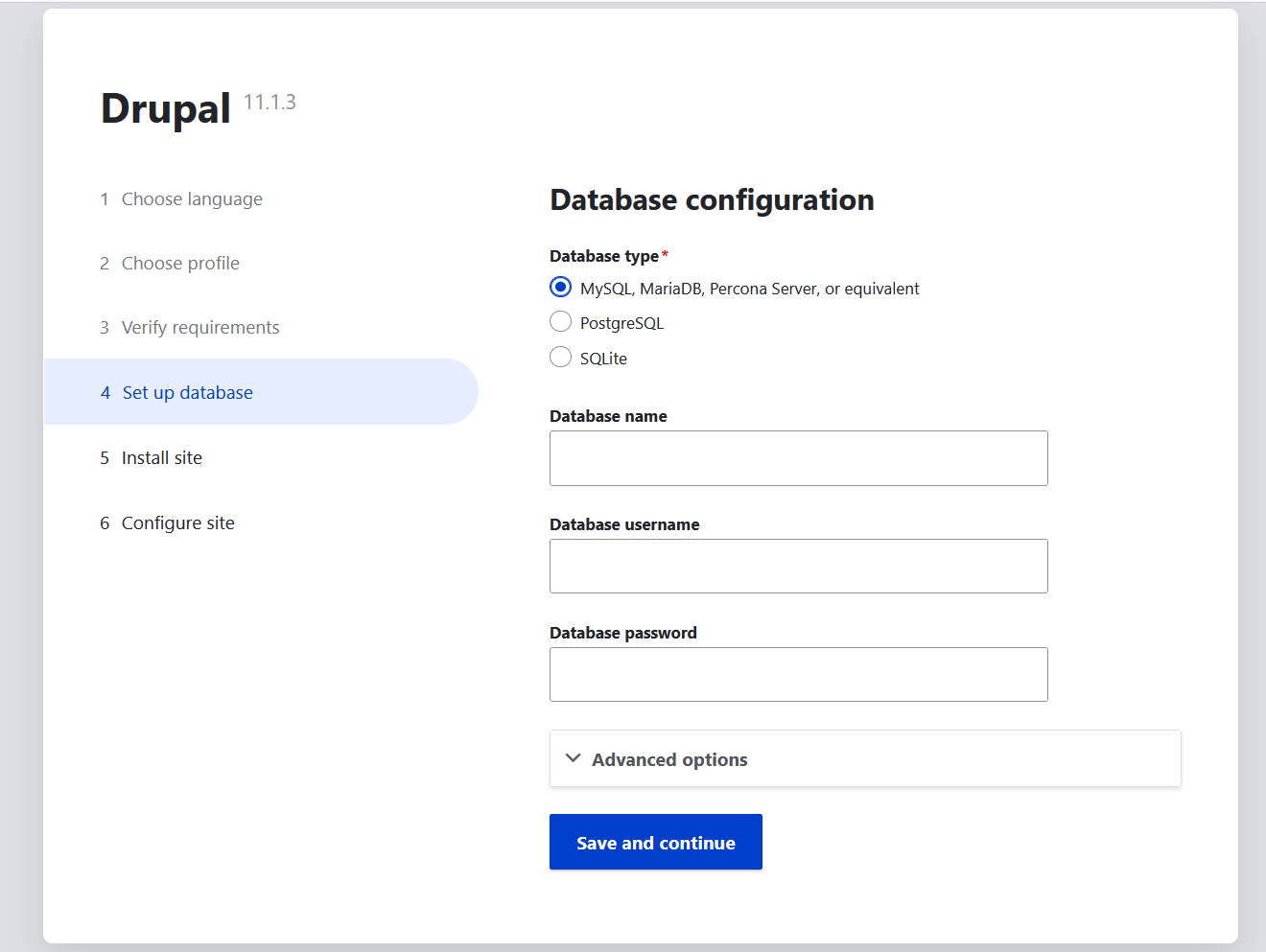
Drupal
This one makes the trick:
Medusa
MIT | The world’s most flexible commerce platform.
Thelia
Evershop
🛍️ NodeJS E-commerce Platform
Others
MIT | 🛒 litecart - shopping cart in 1 file with card and cryptocurrency payment support
Saleor Core: the high performance, composable, headless commerce API.
Gumroad is an e-commerce platform that enables creators to sell products directly to consumers.
Sell stuff and see what sticks
There are several notable open source self-hostable e-commerce platforms available:
WooCommerce (for WordPress): Very popular, flexible, and customizable plugin that turns WordPress sites into e-commerce stores. It powers millions of websites and has extensive themes and extensions, ideal if you want WordPress integration.[3][9]
PrestaShop: A widely used PHP-based platform built on Symfony. It is user-friendly and feature-rich, with strong multi-language and multi-currency support. Good for small to medium businesses and popular especially in Europe.[2][8][10]
OpenCart: Lightweight and powerful open-source PHP platform with a large marketplace for extensions and multi-store management but with limited SEO features.[2][3]
MedusaJS: API-first, headless e-commerce Node.js platform great for modern, scalable storefronts. Free core system with customizable architecture.[5][6][2]
Bagisto: A Laravel-based e-commerce platform designed for developers looking for flexibility, a good alternative to WooCommerce.[2]
Evershop: Node.js based, lightweight, efficient e-commerce system suited to small and medium businesses, with React frontend and GraphQL.[2]
Magento Open Source (Adobe Commerce): Powerful, highly customizable PHP platform suited to enterprise-level sites but requires advanced skills.[9][3]
Spree Commerce: Headless e-commerce platform with multi-vendor marketplace and B2B/B2C support, open source with SaaS option.[3]
Sylius: Developer-friendly open-source headless e-commerce framework focusing on B2B and B2C.[4]
CubeCart: Template-driven, responsive store platform that is simpler than some others but less extensible.[3]
These platforms vary in technology stack (PHP, Node.js, Python/Django, .NET) and complexity, from user-friendly to developer-centric, allowing you to pick one that fits your technical expertise and business needs.
With Medusa as your backend, you can use Astro static site generator to build your frontend storefront.
Astro can pull product data dynamically from Medusa’s REST or GraphQL APIs.
Here’s how it works:
- You manage your products, inventory, and orders in Medusa’s admin UI.
- Your Astro front end fetches product data from Medusa’s API at build time or on-demand.
- Astro renders static pages with the product info while allowing dynamic client-side interactions like cart updates or checkout using Medusa’s API.
- This JAMstack pattern offers great performance, SEO, and developer flexibility, decoupling the frontend and backend.
So, you create and update products in Medusa, and your Astro static site reflects those products by calling Medusa’s API.
Hosting an eCommerce
MIT | Ultra-fast, Cloud-native, API-first PHP e-commerce framework for building custom online shops, scalable marketplaces and complex B2B apps
https://www.shoper.pl/premium like https://sklepmakunki.pl/ which theme comes from https://netplace.com.pl/ see https://netplace.com.pl/portfolio/magicznypokoik-pl/
Astro as Ecommerce
CC | Nebulix, a Fast & Green Theme Based on Astro + Static CMS + Snipcart
MIT | Allows for the creation of E-Commerce sites using the Astro framework and Snipcart. Start your e-commerce business in minutes!
https://microstoretheme.netlify.app/#_
MIT | AstroJS-Powered Shopif Storefront Boilerplate with TailwindCSS and Nanostores. With Shopify e-commerce integration.
git clone https://github.com/themefisher/astrofront-astro

npm install
#npm audit fix
npm run dev #you will need shopif credentials for the .env
Streamlit as eCommerce
You would need proper file connection and some decent auth:
And be a proper geek to get this running.
Competitors
zezam.iohttps://sklepmakunki.pl/
Menu websites at ~500 eur/year
http://cartalia.org/http://ukelele.cartalia.org/
https://www.upmenu.com/pricing/
https://www.covermanager.com/enhttps://www.mojstolik.pl/dla-restauracjiHosting Costs:
https://banahosting.com/web-hosting~5eur/monthhttps://webtolearn.pl/cennik~20eur/month
Customer management systems
https://wakems.com/index.phphttps://clubspeed.com/pricing/
Custom websites
https://zeon.studio/estimate-projecthttps://hormigasenlanube.com/https://lyk-website.pl/brief/
Competitors
See cool sites: makemydream.pl can also be done with wordpress.
How I know it is a WP?
See: https://makemydream.pl/wp-login
Hosting Costs:
- https://banahosting.com/web-hosting ~5eur/month
- https://webtolearn.pl/cennik ~20eur/month
Customer management systems
Custom websites
https://zeon.studio/estimate-projecthttps://hormigasenlanube.com/https://lyk-website.pl/brief/
https://jalcocert.github.io/JAlcocerT/real-estate-landing/#making-website-services-known

Conclusions
Some people do this with their ecommerce: nice…deals?

But you can get ecommerce analytics done for you: lets say its all about plugging AI powered data analytics to it
Same that was done with the Commento db can be done to ecommerce dbs!
flowchart LR
%% --- Styles ---
classDef landing fill:#E3F2FD,stroke:#1976D2,stroke-width:3px,color:#0D47A1;
classDef steps fill:#F3E5F5,stroke:#7B1FA2,stroke-width:2px,color:#4A148C;
classDef slider fill:#FFF3E0,stroke:#F57C00,stroke-width:2px,color:#E65100;
classDef free fill:#E8F5E9,stroke:#388E3C,stroke-width:3px,color:#1B5E20;
classDef consult fill:#FFECB3,stroke:#FFA000,stroke-width:3px,color:#FF6F00;
classDef dfy fill:#FFCDD2,stroke:#D32F2F,stroke-width:3px,color:#B71C1C;
%% --- Nodes ---
START("🏠 Landing Page
(Hero + Value Prop)"):::landing
STEPS("📋 Read Process
(3-Step Guide)"):::steps
SLIDER("🎚️ Interactive Slider
(Assess Time Value)"):::slider
FREE("📚 FREE Path
(DIY Guides)"):::free
CAL("📅 Consulting
(Book Session)"):::consult
DFY("💎 Done For You
(Premium Service)"):::dfy
%% --- Flow ---
START --> STEPS
STEPS --> SLIDER
SLIDER -->|"0%
I'm Learning"| FREE
SLIDER -->|"1-74%
A lot!"| CAL
SLIDER -->|"75-100%
Lambo Money"| DFY
%% --- Outcomes ---
FREE -.->|"Explore FAQ"| END1["📖 Self-Learn"]
CAL -.->|"Book Time"| END2["🤝 Get Guidance"]
DFY -.->|
"Check Resources"| END3["⚡ Fast Track"]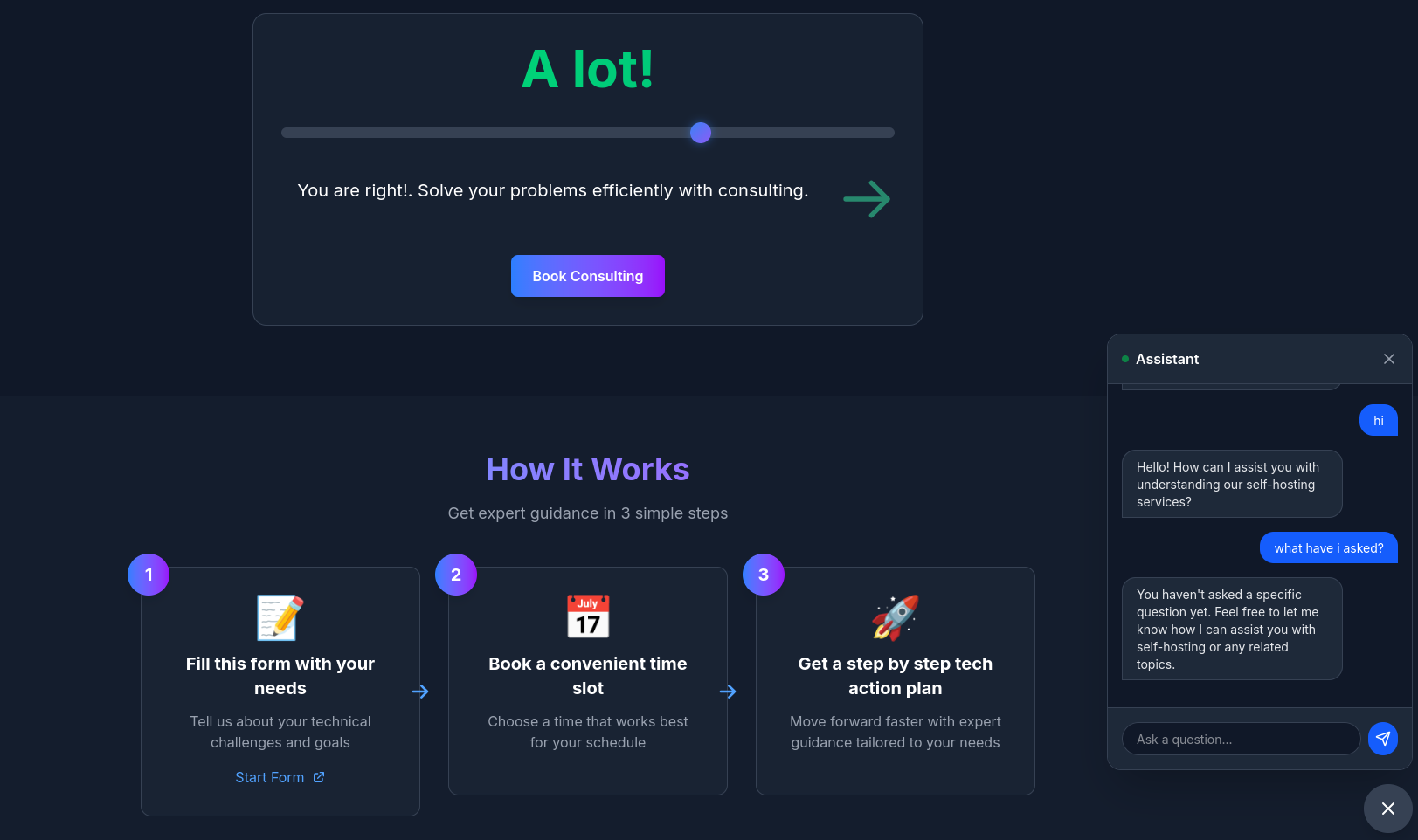 Consulting Services
 DIY via ebooks
CRO vs COO The E-commerce Split
In the context of an e-commerce business, the distinction between these two roles becomes very specific to the digital “funnel” versus the “physical” logistics.
The CRO: The Growth Engine
In e-commerce, the CRO is obsessed with the Digital Storefront. They focus on the journey from a social media ad to the “Buy Now” button.
- Conversion Rate Optimization: Testing different website layouts or checkout flows to reduce cart abandonment.
- Customer Acquisition Cost (CAC): Ensuring that the money spent on Google or Meta ads is bringing in a high enough Return on Ad Spend (ROAS).
- Retention: Managing email marketing and loyalty programs to ensure customers buy a second and third time.
The COO: The Fulfillment Engine
The COO is obsessed with the Physical Journey. Once the customer clicks “Buy,” the COO’s work truly begins.
- Supply Chain & Inventory: Making sure products are actually in stock and managing relationships with manufacturers.
- Logistics & Shipping: Finding the fastest and cheapest ways to get a package from the warehouse to the customer’s doorstep.
- Returns & Support: Managing the “Reverse Logistics” (returns) and the customer service teams handling complaints about broken or missing items.
How They Collaborate
| Scenario | The CRO’s Role | The COO’s Role |
|---|---|---|
| Black Friday Sale | Designs the massive “50% Off” campaign to drive record-breaking traffic. | Ensures the warehouse has enough staff and boxes to ship 10x the normal volume. |
| New Product Launch | Determines the price point and the “story” that will make people want it. | Sources the materials and ensures the quality control meets brand standards. |
| Expansion to Europe | Translates the website and adapts the marketing for a new culture. | Sets up a European warehouse to avoid high shipping fees and customs delays. |
Which one does an e-commerce business need first?
Usually, an e-commerce startup starts with a CRO mindset because, without sales, there is no business to operate. However, as soon as the business hits a certain volume, it often “breaks” operationally—packages get lost, stock runs out, and customers get angry. That is the exact moment an e-commerce business hires a COO to stabilize the chaos.
Would you like me to draft a sample job description for either of these roles tailored specifically for an e-commerce brand?
Getting Here
Tried Wordpress and Ghost.
But those…are not quite ecommerce.
Didnt care and wrote via SSG.
Created some custom CMS / custom WebApps for people who were not willing to pay and failed hard.
Tested Strapi and DirectusCMS
FAQ
Principales alternativas open source a Shopify
Medusa.js
Basada en Node.js, con arquitectura headless, Medusa permite crear tiendas con React, Vue o Next.js manteniendo el backend separado. Ofrece API REST y GraphQL, soporte para plugins y control total de datos y diseño.[1]Bagisto
Construida sobre Laravel y Vue.js, ofrece multicanal, multi-almacén, API GraphQL y una interfaz moderna. Es ideal para proyectos personalizables y escalables a nivel empresarial.Saleor
Framework de eCommerce headless basado en GraphQL y Django (Python). Es utilizado para tiendas modernas con integraciones JAMstack y gran rendimiento.[1]Spree Commerce
Plataforma Ruby on Rails pensada para desarrolladores. Es estable, modular y permite integraciones B2B o B2C sin coste de licencia.[3]PrestaShop
Solución PHP madura con una comunidad muy activa y muchos módulos. Se instala fácilmente en cualquier hosting y ofrece gestión de catálogos, marketing y SEO.[4][2]
- Burst by Shopify https://www.shopify.com/stock-photos
Selfhost Postgres
I read this fantastic post about selfhosting postgres.
And how could I not addit to the mix.
As PG is one of the DBs that you can set in your servers to do D&A or as a companion to many services.
And pgsql can do several parts of a tech stack all together
Even if you have a wood PC, this works, its just ~45mb of RAM consumption:
docker compose up -d
#sudo docker stats

#docker exec postgres_container psql -U admin -d myapp -c "SELECT 1;"

docker exec -it postgres_container psql -U admin -d myapp
#SELECT version();
#\dt       -- List tables (empty for now)
#\q        -- Quit
Let’s use it with the sample chinook DB: yes, im cooking sth on top of LangChain+DBs again
This is all you need to plug an existing database into your just created PGSQL container instance:
curl -L -O https://github.com/lerocha/chinook-database/releases/download/v1.4.5/Chinook_PostgreSql.sql
cat Chinook_PostgreSql.sql | docker exec -i postgres_container psql -U admin -d myapp

docker exec postgres_container psql -U admin -d myapp -c "\l"

docker exec postgres_container psql -U admin -d chinook -c "\dt"

docker exec -it postgres_container psql -U admin -d chinook
#\dt
#SELECT * FROM artist LIMIT 5;
We will be using this very soon :)
In the mentioned article, Pierce Freeman argues that the fear surrounding self-hosting PostgreSQL is largely a marketing narrative pushed by cloud providers.
He suggests that for many developers, self-hosting is not only more cost-effective but also provides better performance and control.
The Case for Self-Hosting
- The “Cloud Myth”
Cloud providers (like AWS RDS) pitch reliability and expertise as their main value. However, Freeman points out:
- Identical Engines: Managed services usually run the same open-source Postgres you can download yourself.
- False Security: Managed services also experience outages. When they do, you have fewer tools to fix the problem than if you owned the infrastructure.
- Cost Gap: As of 2025, cloud pricing has become aggressive. A mid-tier RDS instance can cost over $300/month, while a dedicated server for the same price offers vastly superior hardware (e.g., 32 cores vs. 4 vCPUs).
- Operational Reality
Freeman shares his experience running a self-hosted DB for two years, serving millions of queries daily. He notes that maintenance is surprisingly low-effort:
- Weekly: 10 mins (Checking backups and logs).
- Monthly: 30 mins (Security updates and capacity planning).
- Quarterly: 2 hours (Optional tuning and disaster recovery tests).
- When to Self-Host (and When Not To)
- Self-Host If: You are past the “vibe coding” startup phase but aren’t a massive enterprise yet. It’s the “sweet spot” for most apps.
- Stick to Managed If: You are a total beginner, a massive corporation with enough budget to outsource the labor, or you have strict regulatory compliance needs (HIPAA, FedRAMP).
If you choose to self-host, Freeman emphasizes that standard Docker defaults aren’t enough.
You must tune these three areas:
Memory & Performance Tuning
shared_buffers: Set to ~25% of RAM.effective_cache_size: Set to ~75% of RAM to help the query planner.work_mem: Be conservative to avoid running out of memory during complex sorts.
Connection Management
- Avoid Direct Connections: Postgres connections are “expensive.”
- Use PgBouncer: Use a connection pooler by default to handle parallelism efficiently, especially for Python or async applications.
Storage Optimization
- NVMe Settings: Modern SSDs change the math on query planning. You should lower
random_page_cost(to ~1.1) to tell Postgres that random reads are nearly as fast as sequential ones.