Closing the code to impact gap
Tl;DR
Thoughts after this theo video, shipping a micro-saas in front of people and doing some tech talks.
Intro
Everything can be done with code and llms/agents are pretty good with that.
So…why arent we?
Product, how’s and features matter.
But so that’s the packaging.
The UI/X, the presentation, the how easily is to understand what you do or you dont do.
Lets get better and close the gap.
Some Context
One more time, a series of unconnected chaotic events.
And some questions: that thing that happens when you create
- What are my products missing?
- If the features are so great, why dont people want them?
- How could my tech talk generate more engagement?
Tech Stack is Clear
This simply works.
Try and see.
A recommendation after vibe coding few sample projects.
Follow the approach: brd.md - clarifications - dev plan with out of scope features
Core Framework: Astro 5.0 as the foundational engine for this project.
- Why? It follows a “Zero JS by default” philosophy, shipping the absolute minimum amount of JavaScript to the browser.
- Islands Architecture: Interactive components (like the qualification modal) are “islands” of React that load only when needed, while the rest of the page remains static HTML.
- Vite-Powered: Lightning-fast development and build times.
Styling: Tailwind CSS v4
Tailwind CSS provides a utility-first approach to styling.
- Modern Engine: Version 4 uses a CSS-first configuration, making it faster and more predictable.
- Glassmorphism: Custom utilities in
global.cssenable the premium “glass” effects used throughout the UI. - Dark Theme: Configured with
oklchcolor tokens for consistent, vibrant colors across the dark spectrum.
UI Logic: React & Framer Motion
While the page is static, the complex logic and animations use React.
- Framer Motion: Used for the staggered entrance animations and smooth transitions between qualification steps.
- Spring Physics: Animations use spring-based transitions (stiffness/damping) instead of linear durations to feel more organic and “premium.”
| Requirement | Specification | Clarification / Decision |
|---|---|---|
| Frontend Framework | React (Astro/Vite) | Chosen for low latency and modern “Island” architecture. |
| Styling/UI Library | Tailwind CSS v4 + Framer Motion | Custom “Deep Night” glassmorphism theme for a premium look. |
| Deployment | Docker | Containerized deployment for easy scaling and isolation. |
Vibe Coding | Setup 📌
Go to whatever LLM you are using and ask: do you think that these requirements are clear enough?
Create a sth sth sth like... a Landing Page based on NextJS with a cool and modern UI

Include a `dockerfile` and `docker-compose.yml` that will control the title, description, open-graph image, favicon location and other global website variables via environment variables.

Add also a docker-compose.portainer.yml to use assuming that the image has been built already.

Create also a makefile with the following commands:

* `make help` - Show available commands
* `make install` - Prepare the dependencies for local development
* `make dev` - Run development server
* `make container` - Build and Run in Docker container

Create the `z-development-plan.md` with independent and testable phases that can be completed sequentially.

When it is completed, create a `z-walkthrough.md` with the steps to deploy the application and what each part of the tech stack does on a high level to bring the features to life.

Consider adding a Terms of Service / **terms and conditions and privacy policy** to the website, which will be governed by two separated markdown files.

Add also a faq section, that instead of been controlled via a json, lets have it controlled as per the frontmatter and content of separated markdown files inside the folder `faq`.

The logic should read them in order as per their file name and show them in the right component of the UI.

> When these change, consider sending an email to your existing clients!

Consider adding **Umami web analytics capabilities** to the WebApp when using the container, by adding the possibility to feed the PUBLIC_UMAMI_SCRIPT_URL and PUBLIC_UMAMI_WEBSITE_ID to be used via <script defer src="" data-website-id=""></script>

If you are using Python, design proper functions with docstrings, so that the codebase is understandable, scalable and self-documenting.
Then go to AntiGravity IDE and ask if the brd.md refined already with Gemini is clear enough.
If it is clear define the z-development-plan.md and proceed with the development phases.
As you will need to iterate across features, do it like a pro with change-requests:
#sudo apt install gh
gh auth login
#gh repo create make-xyz --private --source=. --remote=origin --push

git init && git add . && git commit -m "Initial commit: simple landing website" && gh repo create make-xyz --private --source=. --remote=origin --push
###du -sh .
#docker stop $(docker ps -a -q) #stop all
#docker system df
Technical Stack and Design Requirements
To develop a modern, secure, and scalable web platform for hosting and streaming a single-user podcast.
The platform must offer a seamless, content-driven user interface and a flexible content management system supporting both web uploads and direct file system access.
Before starting any project, specially with AI agents
You should have clarity on the tech stack:
| Requirement | Specification | Clarification / Decision |
|---|---|---|
| Frontend Framework | ||
| Styling/UI Library | ||
| Backend/Database | ||
| Authentication |
And if you need more:
| Requirement | Specification | Clarification / Decision |
|---|---|---|
| Deployment | ||
| Content Management | ||
| Analytics | ||
| Interactivity | ||
| External Integrations | ||
| E-mail/ESP | ||
| Hosting |
The Business side is clear
| Feature | Guest Photo WebApp | Educational Model | Service Agency |
|---|---|---|---|
| Main Lever | Volume (V) | Volume (V) | Price (V) |
| Customer Type | B2C (Emotional) | B2C (Aspirational) | B2B (Rational) |
| Execution Risk | Server Reliability | Content Relevance | Your Personal Time |
| Constraint | Demand (Marketing) | Demand (Attention) | Supply (Hours) |
The Unit Economics of “whatever you are doing”
The “Full Stack” Multiplicative Formula: (V×P)×GM×OE×IB×TB
Let’s assume a “Base Package” of $49 for a single wedding/event.
| Variable | Value | Logic |
|---|---|---|
| Price | $49 | One-time payment for the “Event Pass.” |
| Volume | High | Targeted at weddings, birthdays, and corporate events. |
| Gross Margin () | 90% | COGS: AWS S3 storage + QR generation. Costs pennies per event. |
| Op. Efficiency () | 50% | OpEx: Heavily reliant on [GROWTH BET] (Ads on Pinterest/TikTok/Instagram). |
| Net Profit | ~$22/unit | After ads, hosting, and Stripe fees. |
Comparison of the “Levers”
| Component | Walmart | Microsoft | SaaS (1 Person) |
|---|---|---|---|
| Main Lever | Volume | Price & Scale | Efficiency (Low OpEx) |
| Biggest Cost | Inventory (COGS) | R&D & Salaries (OpEx) | Marketing / Ads (OpEx) |
| CapEx Role | Massive (Warehouses) | High (Data Centers) | Low (A Laptop) |
As a definitive reference, integrating the Strategic Tags (Bet, Execution, Discipline, Structure), corrected the technical variables
And added the “Path C” (Fractional Consultant) column to show the high-ticket service alternative.
- The Strategic Game Board: Sector Comparison
This table identifies the fundamental nature of the business model and its primary bottleneck.
| Feature | Guest Photo WebApp | Educational Model | Fractional Consultant |
|---|---|---|---|
| Business Archetype | B2C Indie Hacker (SaaS-Lite) | Info-Product / Course | B2B Specialist (Path C) |
| Primary Lever | Volume () | Volume () | Price () |
| Strategic Tag | [GROWTH BET] | [GROWTH BET] | [OPERATIONAL DISCIPLINE] |
| Customer Intent | Emotional (Memories) | Aspirational (Success) | Rational (ROI/Profit) |
| Execution Risk | Technical/Server Downtime | Content Obsolescence | Personal Burnout/Time |
| Main Constraint | Demand (Marketing) | Demand (Attention) | Supply (Expert Hours) |
| Macro Winner | Low-cost luxury (Recession) | Upskilling (Recession) | Interest Rate Neutral |
- The Multiplicative Formula: Unit Economics
Using the formula: . This maps the “Survival Rate” of every dollar earned.
Case Study: The QR Guest Photo App
Model: High Volume, Automated Execution.
| Variable | Tag | Value | Logic / The “Drain” |
|---|---|---|---|
| Price () | [BET] | $49 | One-time “Event Pass.” Low requires high to cover ads. |
| Volume () | [BET] | High | Scaling via Pinterest/TikTok virality and “Event Flywheels.” |
| Gross Margin () | [EXECUTION] | 95% | COGS: S3 Storage/API. Almost zero production cost. |
| Op. Efficiency () | [DISCIPLINE] | 50% | OpEx: 50% of revenue “leaks” to Customer Acquisition (Ads). |
| Solvency (Cash Flow) | [STRUCTURE] | Instant | Payment is upfront. Zero “Payback Period” delay. |
| Net Profit | BOTTOM LINE | ~$23/unit | High-efficiency digital delivery. |
- The “Levers” Comparison: You vs. The Giants
How your 1-person model compares to global industry leaders.
| Component | Walmart | Microsoft | Indie Hacker / Fractional |
|---|---|---|---|
| Main Lever | Volume () | Price () & Scale | Efficiency () |
| Biggest Cost | Inventory (COGS) | R&D & Salaries (OpEx) | Marketing (B2C) or Time (B2B) |
| CapEx Role | Massive (Physical Assets) | High (Data Centers) | Zero (Intellectual Property) |
| Inventory Logic | High Turnover (Flow) | Zero Marginal Cost | High Unit Value (Filter) |
| Strategic Tag | [EXECUTION] | [BET] | [DISCIPLINE] |
- The COO’s Diagnostic Checklist
When a specific part of the formula is “broken,” use these tags to identify the fix.
- If Net Profit is low despite high sales (V): You have a [DISCIPLINE] problem (). Your ads are too expensive or your software bloat is too high.
- If customers are complaining about the product: You have an [EXECUTION] problem (). Your “factory” (code or service quality) is failing.
- If the market doesn’t know you exist: You have a [BET] problem (). You aren’t spending enough on the “Awareness Lever.”
- If you are “profitable” but have $0 in the bank: You have a [STRUCTURE] problem (Solvency). You are paying suppliers faster than customers pay you.
Whenever you analyze a new business opportunity, drop it into the “Empty Column” of Table 1.
- If it has a Supply Constraint, focus on raising your Price.
- If it has a Demand Constraint, focus on increasing your Volume.
After Shipping
The tech stack just works.
But does somebody even care?
When you bring eyes to your saas
You might realize that it needs some improvements.
Psyco
If you have ever wondered about psychology.
So…wait.
To improve all that, I need to get the psychologycal stack at the same level than the technical one.
Because both are coupled.
Landing pages must haves are coupled with psychology.
From the example of one of my last tech talks, here is what it came out: mermaidjs powered here
As you can imagine, this goes as: can we now have a community chat slack alert the date before alert and the 1h before?
mindmap
  root((Presentation
Psychology))
    Emotional Hook
      Problem Amplification
        Shared Enemy
        Slack DM Pain Point
      Limbic Engagement
        The Why first
        Purpose over Logic
      Contrast Theory
        The Sparkline
        What Is vs What Could Be
    Attention Control
      Zeigarnik Effect
        Open Loops
        Unresolved Mystery
      Self-Generation
        Socratic Questions
        Audit vs Statement
      Primacy & Recency
        Power Openings
        Action-Oriented Closings
    Cognitive Clarity
      Dual Coding
        Visual + Verbal
        Mermaid Diagrams
      Rule of Three
        Pattern Recognition
        Bronze-Silver-Gold
      Cognitive Load
        Progressive Disclosure
        V-Click Animations
    Professional Trust
      Identity Alignment
        Pragmatic Reframing
        Dynamic ORM vs Chatbot
      Social Proof
        Case Studies
        Time-to-Ship Validation
      Far Transfer
        BA Skills to AI Prompts
        Executable Requirements
Whats the catch?
You are missing parts.
Improving your Presentations
The workflow that I have for this year presentations is:
- Tinker & be willing to share
- Mind the brand
- Prepare the
slides.md - Make a ppt-review
- Prepare a mail communication
- Prepare engaging slack/follow ups notifications
Why to do so?
because you improve your brand: specially if you have the same repo for your consulting landing, that where you store the ppts
#npx slidev build --base /presentations/ba-brd/ --out dist-ba-brd
npm run build
mkdir -p public/presentations && cp -r y2026-tech-talks/2-ba-brd-development/dist public/presentations/ba-brd
Improving your emails
Wondering why not many people are going to your tech talks?
You might need to improve how you coomunicate its value via email.
Get better at conveying what you will do via mail. Like this.
Improving Slack Engagement
Got a centralized repo with your presentations as text?
There is no excuse not to write a psycologycal engaging email and/or slack alert messages to get more people flowing to your funnel.
I mean: assisting to your tech talks.
Improving your Products
Leave them be for a while to get volume/repetitions on their current state.
flowchart LR
    %% Styles
    classDef state fill:#E3F2FD,stroke:#1565C0,stroke-width:2px,color:#0D47A1;
    classDef start fill:#43A047,stroke:#1B5E20,stroke-width:2px,color:white;

    %% Nodes
    Start((Start)):::start --> More
    More(Doing MORE):::state
    Better(Doing BETTER):::state
    Newer(Doing NEWER):::state

    %% Internal Feedback Loops (The Grind)
    More -- "Scale Up" --> More
    Better -- "Refine" --> Better
    Newer -- "Test" --> Newer

    %% The Progression Journey
    More -- "Capacity Hit" --> Better
    Better -- "Optimized" --> Newer

    %% The Upward Spiral
    Newer -- "New Baseline" --> More
Done?
Ok, now lets tweak with some sense of whats going to move into a better direction.
graph LR
    %% 1. The Split
    Start[Define] -->|Why| B[BRD]
    Start -->|What| C[FRD]
    Start -->|How| D[PRD]

    %% 2. The Join
    B & C & D --> E(Clarify)

    %% 3. The Linear Flow
    E --> F[Development Plan]
    F --> G[Finished PoC]

    %% Styling
    style G fill:#f96,stroke:#333,stroke-width:4px
    style Start fill:#bbf
    style F fill:#e1f5fe
The Copy
If you have be smart and make so that your full micro-SaaS copy is in one file, like: copy.md
You can have inmediate feedback from any LLM, like gemini on how and why you can tweak a certain title/cta/whatever.
Become authoritative and articulated.
Product emails
Want to increase LTV?

Make sure that your potential client remembers that you are there to help them.
Such astro components with mailtrap help.
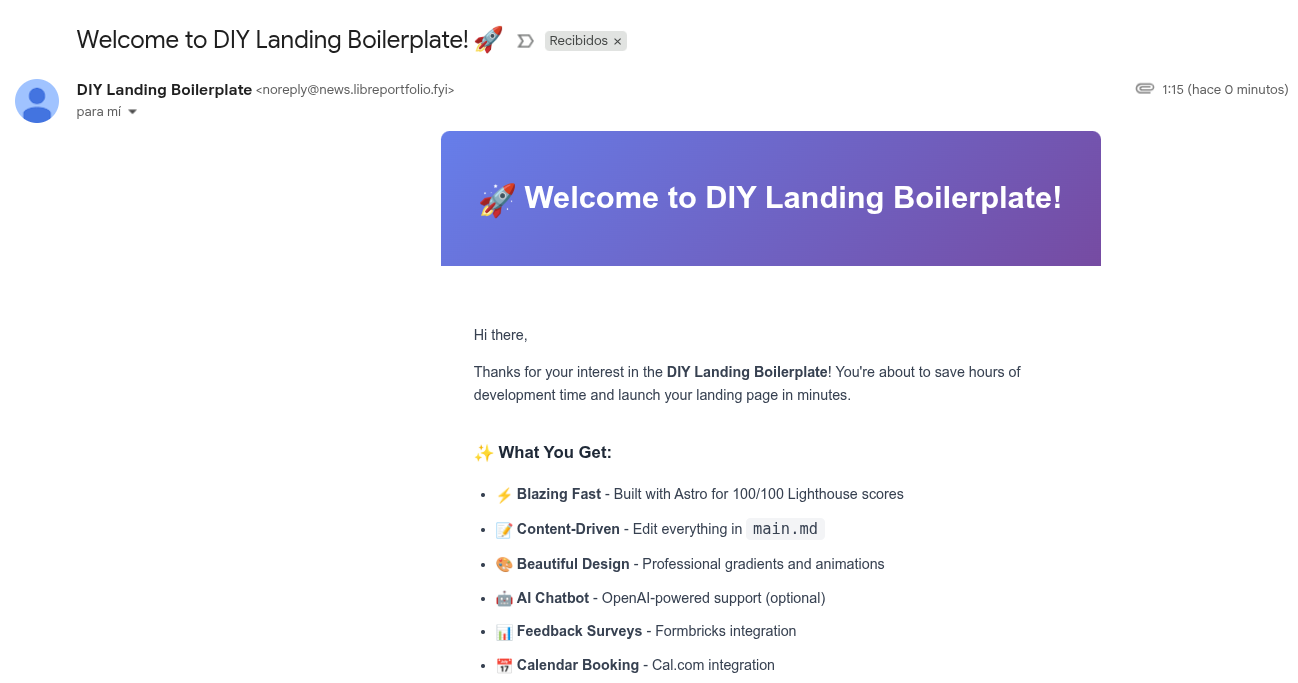
Remember to measure and optimize KPIs: Like CTOR
Conclusion
Im preparing an agentic workflow for those who are interested to close their gap ando get their ideas succed.
In the meantime, you can:
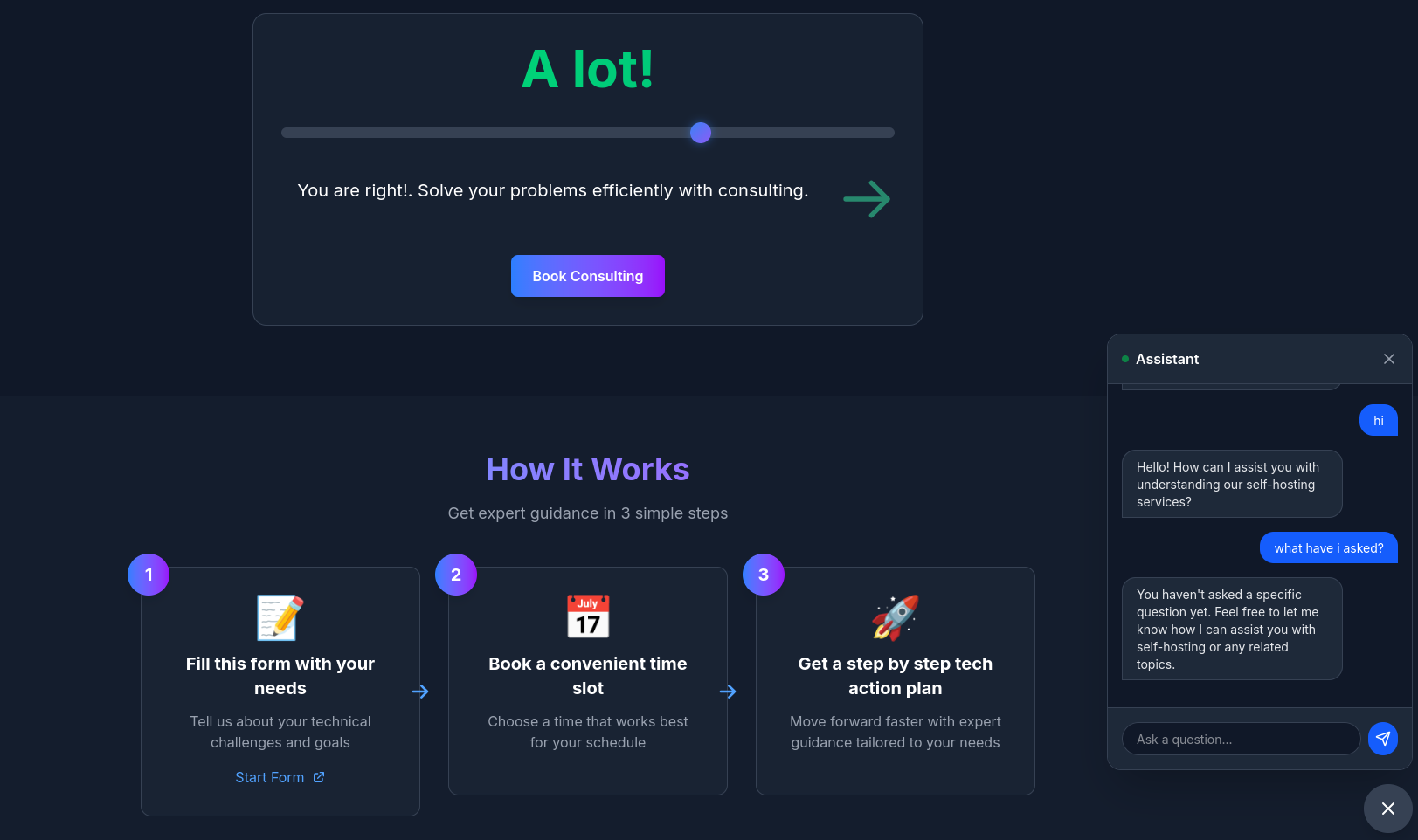 Consulting Services
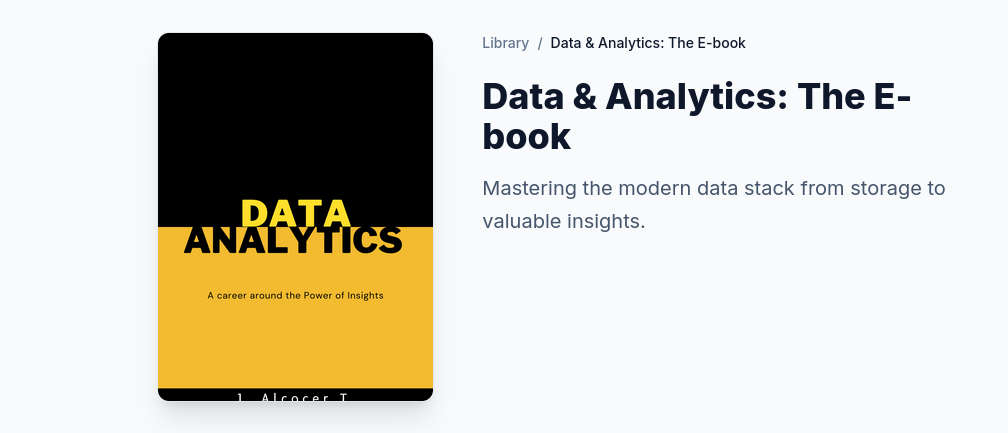 DIY via ebooks
Have you Plugged PostHog?
See how people really interact and what they want from you.
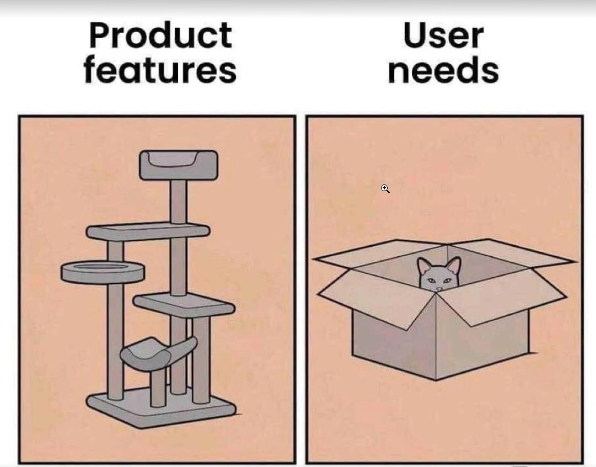
What they do.
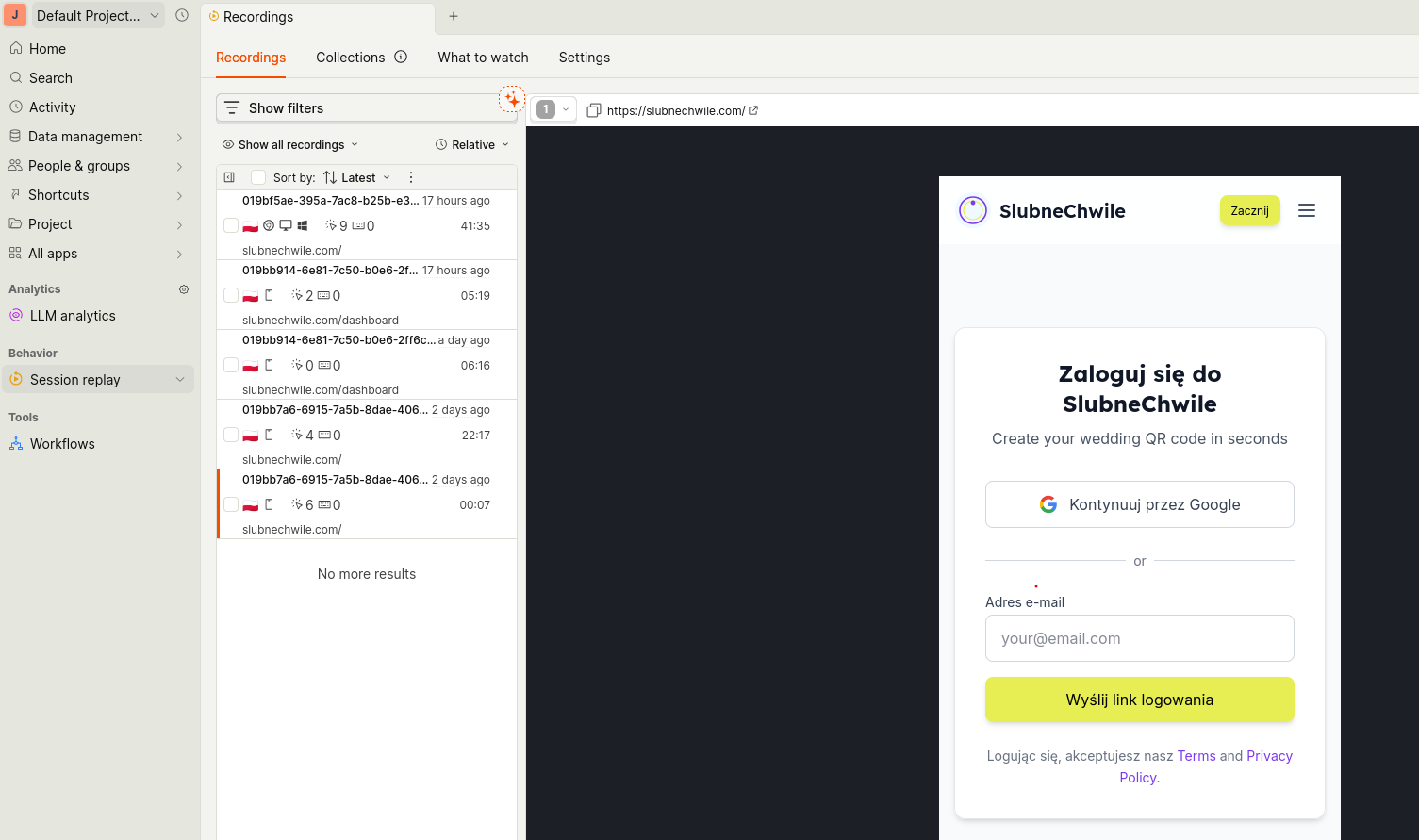
Not what they say.
Not what you think.
This helps: the best product tool
Find revealed preferences.
Not the announced ones.